
Is Green Tea Good for Detox? The Science, Benefits, and Best Herbal Blends
Share
“Detox teas” are everywhere these days—lining health store shelves, filling your social media feed, and promising everything from boosted energy to a total body reset. But when it comes to the buzz around green tea and detox, how much is hype, and how much is supported by real science? Is green tea actually good for detox? Let’s dig into the facts, spotlighting green tea’s benefits and exploring how blending it with other powerful botanicals like beet root, hibiscus, and ginger root can create a holistic, effective approach to daily wellness.
What Does “Detox” Really Mean?
Before diving into ingredients, it’s important to understand what “detox” actually means. While the word often conjures images of rapid cleanses or restrictive diets, true detoxification is a natural, ongoing process your body manages every day. The liver, kidneys, skin, and digestive system all play roles in removing waste and supporting overall balance. The real goal of a “detox” tea isn’t to force your body to cleanse, but to nourish and support these natural systems gently and consistently. That’s where smart dietary choices, like incorporating herbal teas, come in.
Green Tea for Detox: Spotlight on Sencha
Green tea is often touted as a superstar detox beverage—and with good reason. Sencha, a premium Japanese green tea and a key ingredient in Tea For Life, contains unique compounds that offer powerful support for your body’s natural cleansing systems.
-
Catechins (especially EGCG): These antioxidants help reduce oxidative stress and may support liver health.
-
L-theanine: Promotes relaxation without drowsiness, helping to balance the energizing effects of caffeine.
-
Chlorophyll and polyphenols: Support gentle cleansing and overall wellness.
Research suggests that green tea can aid metabolism, help the body manage oxidative stress, and provide gentle support for liver function. It’s no wonder Sencha is prized both in tradition and in modern wellness communities for its “detox” potential.
Beyond Green Tea: The Power of Synergy
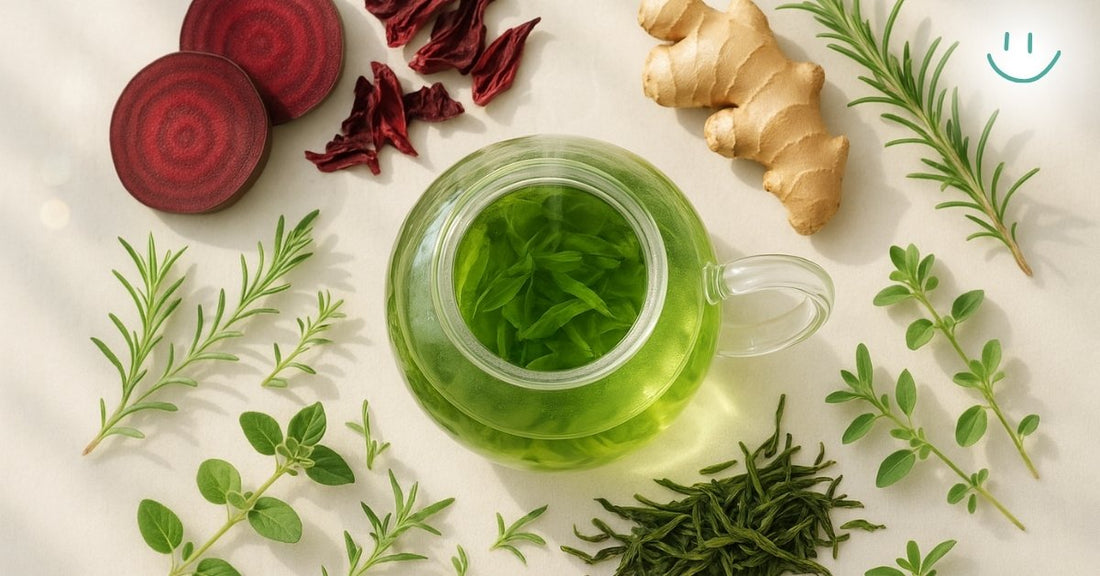
While green tea is a powerful base, its benefits are often amplified when combined with other botanicals. Blending green tea with herbs like beet root, hibiscus, and ginger root creates a broader spectrum of support, helping you achieve a more holistic approach to cleansing and wellness—like you’ll find in Tea For Life.
Beet Root for Cleansing
Beet root is rich in betalains, natural pigments with antioxidant and anti-inflammatory properties. It also contains nitrates that can support circulation and cardiovascular health. Importantly, beet root is known to support the liver, helping the body process and eliminate toxins more efficiently. This makes it a natural partner for green tea in wellness blends designed to promote gentle, ongoing cleansing.
Hibiscus for Antioxidant Boost
Hibiscus flowers deliver a potent punch of antioxidants, including polyphenols and vitamin C. Studies suggest hibiscus may support both liver and kidney function, making it another valuable ally in the body’s natural detox pathways. Plus, its tart, vibrant flavor complements green tea beautifully and adds a refreshing twist to herbal blends such as Tea For Life.
Ginger Root for Digestive & Detox Support
Ginger root has a long history of use in traditional wellness systems for promoting digestion, reducing inflammation, and supporting overall gut health. Its active compounds, like gingerol, may help soothe the digestive tract, support healthy elimination, and provide a gentle, warming kick to detox blends. When paired with green tea, ginger can help round out a detox blend that supports the whole body.
Why Multi-Botanical Blends Make Sense
Single-ingredient teas like pure green tea certainly offer benefits, but multi-botanical blends can provide a more comprehensive approach to wellness. The synergy of Sencha, beet root, hibiscus, and ginger root means you get a broader range of nutrients, antioxidants, and bioactive compounds working together. This can enhance the gentle, supportive effects of detox teas and make them a nourishing, enjoyable part of your daily self-care routine.
When choosing a detox tea, look for blends that are transparent about their ingredients—no fillers or “proprietary blends”—so you know exactly what you’re putting into your body. Tea For Life is a great example.
How to Choose and Use a Green Tea Detox Blend
To get the most out of your detox tea, start with a high-quality, thoughtfully crafted blend—like Tea For Life—which combines green tea (Sencha) with a spectrum of botanicals known for their cleansing and wellness benefits. Brew according to package directions (typically 3–5 minutes with hot, but not boiling, water for green tea), and enjoy it as part of your morning or afternoon ritual.
Quick Recipe Idea:
-
Steep a bag of your chosen blend in hot water, then pour over ice with a squeeze of fresh lemon for a refreshing iced detox tea.
-
For an added wellness boost, try a “wellness elixir”: brew your tea, add a teaspoon of honey, a few drops of fresh ginger juice, and a splash of beet juice.
Regularly incorporating these teas into your daily routine—not just during a “cleanse”—can help support your body’s natural detoxification processes in a gentle, sustainable way.
Conclusion
So, is green tea good for detox? The answer is yes—especially when you choose a high-quality Sencha-based tea and enjoy it as part of a multi-botanical blend. Green tea’s antioxidant power, combined with the cleansing support of beet root, hibiscus, and ginger root, can offer your body broad, gentle support. Remember, the best detox is a daily, nurturing practice, not a quick fix. Choose teas that honor nature’s wisdom, and let your self-care rituals work their magic, one sip at a time.